
3 min read
The Rescuer’s Paradox: How Helping Can Hold People Back
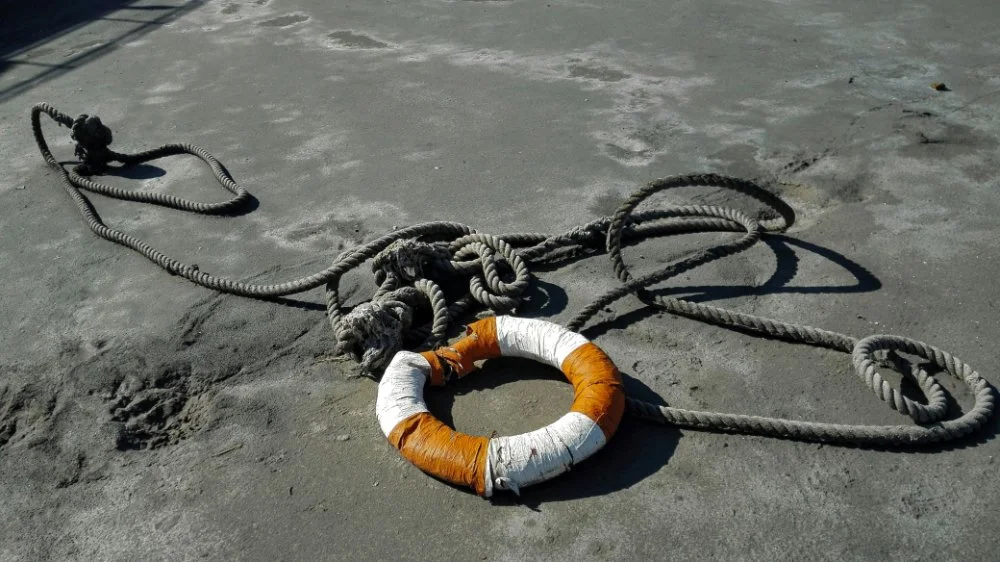
The instinct to help is one of the most admirable human qualities. We step in, offer advice, solve problems, smooth conflicts—often with the best of intentions. Yet, within the framework of the Drama Triangle, what looks like kindness can sometimes have unintended consequences. In particular, the role of the Rescuer can quietly keep others stuck, while generating more of the very drama we hope to reduce.
The Drama Triangle, first described by psychologist Stephen Karpman, outlines three common roles people fall into during conflict: Victim, Persecutor, and Rescuer. The Rescuer is the one who steps in to save, fix, or protect. On the surface, this seems unquestionably positive. But the dynamic is more complex.
Rescuers often act before being asked, or go beyond what is truly helpful. They may interrupt someone’s natural process of problem-solving, stepping in too quickly to relieve discomfort—their own as much as the other person’s. In doing so, they unintentionally send a subtle message: “You can’t handle this without me.” Over time, this can erode confidence and reinforce dependence.
Ironically, rescuing can also sustain the Victim role. When someone is consistently saved, they have fewer opportunities to develop resilience, agency, and self-trust. The situation may improve temporarily, but the underlying pattern remains unchanged. The same problems—or new variations—reappear, often with greater intensity.

At the same time, Rescuers themselves can become overwhelmed or under appreciated. When their efforts go unnoticed or fail to create lasting change, frustration builds. This can lead them to slip—sometimes abruptly—into the Persecutor role, expressing irritation, blame, or control. What began as help can quickly evolve into tension, completing the very cycle of drama they hoped to prevent.
So what’s the alternative?
It begins with a shift from rescuing to supporting. Support respects the other person’s capability. It involves listening without immediately fixing, asking thoughtful questions instead of giving quick answers, and allowing space for others to take responsibility for their own choices.

A helpful internal check is: “Am I helping this person grow, or am I relieving my own discomfort?” If the primary driver is urgency, anxiety, or a need to be needed, it may be a cue to pause.
Healthy support sounds like:
“What would you like to have happen? Or “What would you like to do about it”
“What support or resources do you need” or “What kind of help do you need?”
“Do you want advice, or just someone to listen?”
These responses foster autonomy rather than dependence. They communicate trust instead of assumption.
None of this means withholding care or becoming distant. Quite the opposite. It means offering help in a way that strengthens others rather than inadvertently weakening them. It requires patience, self-awareness, and sometimes the courage to let others struggle—just enough to grow.
In the end, true support is not about stepping in front, but standing alongside. When we move beyond rescuing, we not only reduce unnecessary drama—we empower others to step out of it altogether.

If you would like to stop Rescuing or others around you to learn the Drama Triangle and how to empower positive change, book a discovery call.